Chicken Road Predictor Tools:
Do They Really Work? (2026)
Chicken Road predictor apps and Telegram bots can't predict crash points - the game runs on a provably fair RNG. See why pattern signals don't work in 2026.
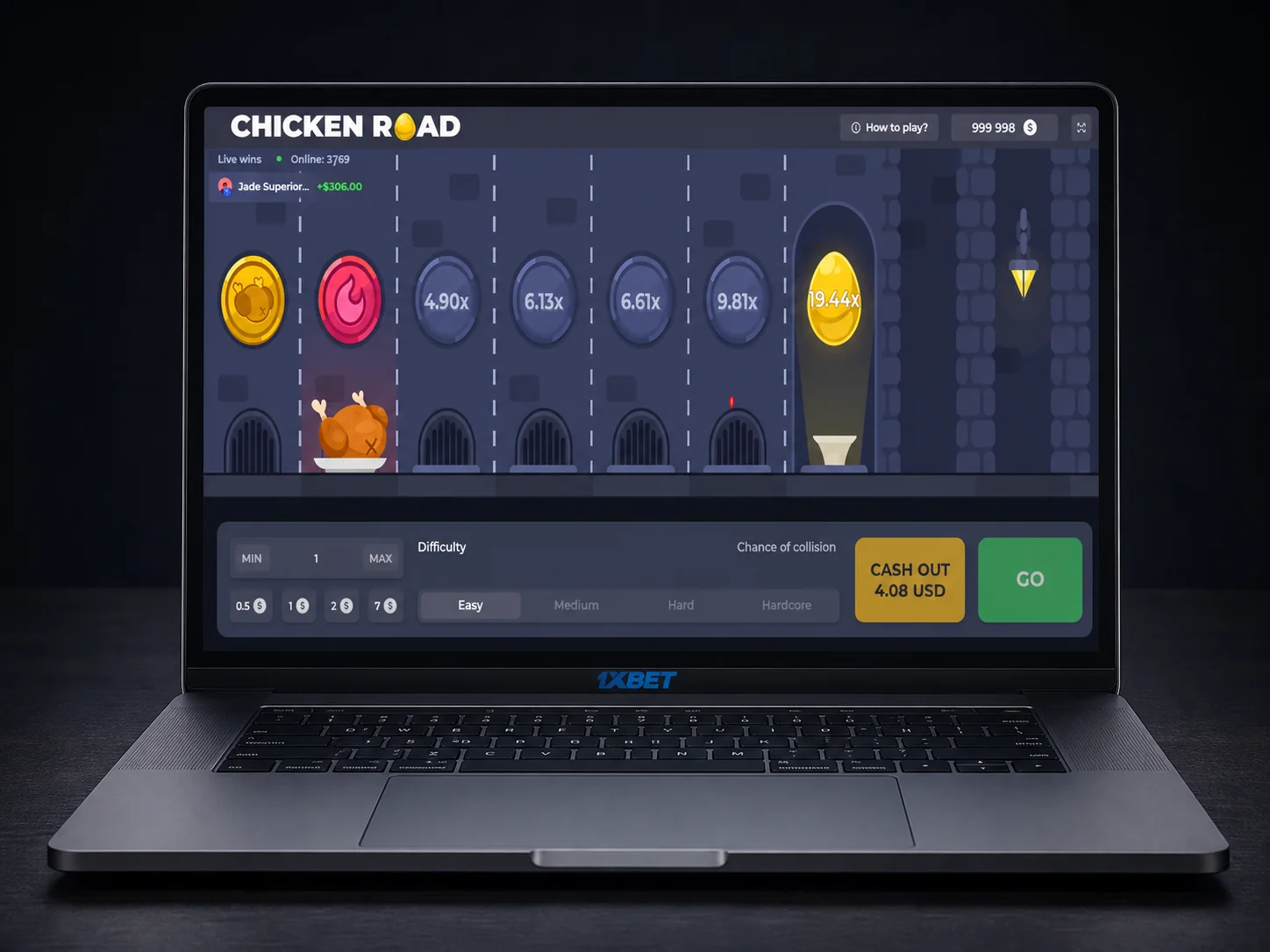

Chicken Road Predictor: The Truth About Crash Game Patterns
No tool, app, or Telegram bot can predict where Chicken Road will crash. The round's outcome is locked in by a random seed before betting even opens, so there is nothing for a "predictor" to read or forecast. Any product that claims otherwise is selling a guess dressed up as analysis, and in India's growing crash-game market, that guess usually comes with a subscription fee attached.
Why the Crash Point Cannot Be Predicted
The server seed that decides a round's crash point is generated and hashed before the betting window opens, not while the round is running. That means the outcome already exists, cryptographically sealed, before a single player places a stake. A predictor tool would need access to the unrevealed server seed itself to forecast anything, and no legitimate operator exposes that seed until after the round closes.
Verification works in reverse of prediction. After the round ends, the seed is published and you can hash it yourself to confirm it matches the round result you already saw. That process proves fairness after the fact; it does nothing to reveal the next round's outcome in advance, because each round draws a fresh, independent seed with no link to the one before it.

Provably fair seed verification screen - hash locks in before betting opens
Why People Believe in Patterns
Belief in predictable patterns in a random game is well documented, and it shows up constantly in crash-game communities. None of the following biases change the underlying RNG, but each one makes a losing predictor tool feel like it's onto something.
Predictor Apps: What They Actually Do
Predictor apps and paid "signal" channels have no access to the server seed that decides a Chicken Road round, because that seed only exists on the operator's side until the round closes. Without that access, there is nothing real for the tool to analyze. Job listings for building these bots describe the actual mechanism plainly: the output is pulled from a pre-defined set of images shown to users as "predictions," not a live read of any RNG.
The business model runs on subscription fees or one-time payments for access to a Telegram channel or app, and the "signals" are simply random or pre-scripted content dressed up to look like analysis. When a predicted multiplier happens to land close to the real one, that's coincidence within a wide, high-volatility payout range, not evidence the tool works.
Mock predictor app interface showing fabricated "signal" predictions with no real data source
Typical predictor app layout - fabricated signals with no connection to the actual RNG
What You CAN Control
Prediction is off the table, but discipline isn't. These four habits control the variables you actually have influence over.
-
1Run demo rounds firstWatch 200+ free rounds to learn the multiplier's rhythm under high volatility before staking real money.
-
2Set auto-cashout above 2xLocking in a target multiplier removes the temptation to hold "for a bit more" once a round is already in profit.
-
3Define a stop-loss before the sessionA fixed session loss cap set in advance stops variance from turning a bad run into an emptied bankroll.
-
4Verify fairness with the official toolRun the published seed through the SHA-256 hash yourself after each round to confirm the result wasn't altered.
Common Myths vs Reality
Most predictor claims trace back to a handful of recurring myths. Here's what the mechanics actually say against each one.
| Myth | Reality |
|---|---|
| A pattern tracker can predict the next crash point | The seed is fixed and hashed before betting opens - there is no visible pattern to track. |
| Paid Telegram signal groups have inside access | These bots run on pre-defined image sets, not a live read of the RNG. |
| A string of low multipliers means a big one is due | Each round draws an independent seed with no memory of the last result. |
| Skipping demo mode saves time before using a predictor | Demo rounds are the only reliable way to learn the game's pace - a predictor teaches nothing real. |
| Unlicensed mirror sites are just harmless clones | Unlicensed sites can alter payout behavior with no audit trail, unrelated to any predictor claim. |
What the Demand for Predictors Reveals
The clearest evidence against predictor tools comes from the people building them. Job postings for Chicken Road "predictor" bots describe the deliverable as random output pulled from a pre-set image library, not analysis of any real data feed. Even the client commissioning the bot never asks for RNG access or a data source - the request is simply for something that looks convincing.
If the people paying developers to build predictor bots aren't asking for real analysis, there's no reason to expect the finished product delivers any.
FAQ
Are there any real Chicken Road predictors? +
No. The crash point is sealed by a server seed before betting opens, so no external tool has the data needed to forecast it.
Can Telegram bots predict crash points? +
No. These bots run on pre-defined image sets presented as predictions, not access to the RNG that decides outcomes.
Is pattern-tracking effective in a provably fair game? +
No. Provably fair rounds use an independent seed each time, so past results carry no information about the next one.
Is it legal to sell predictor apps? +
Selling a claimed prediction tool isn't automatically illegal, but it's a scam mechanically - the product cannot do what it advertises.
How do I verify a round was fair without a predictor? +
Take the published seed after the round ends and run it through the SHA-256 hash yourself to confirm it matches the result shown.
What should I use instead of a predictor? +
Bankroll limits, a fixed cashout target, and demo-mode practice manage the variance you can actually control - see our full strategy guide for the complete approach.